1914-1929
1929-1939
1939-1945
1945-1959
1960s
1970s
1980s
1990s
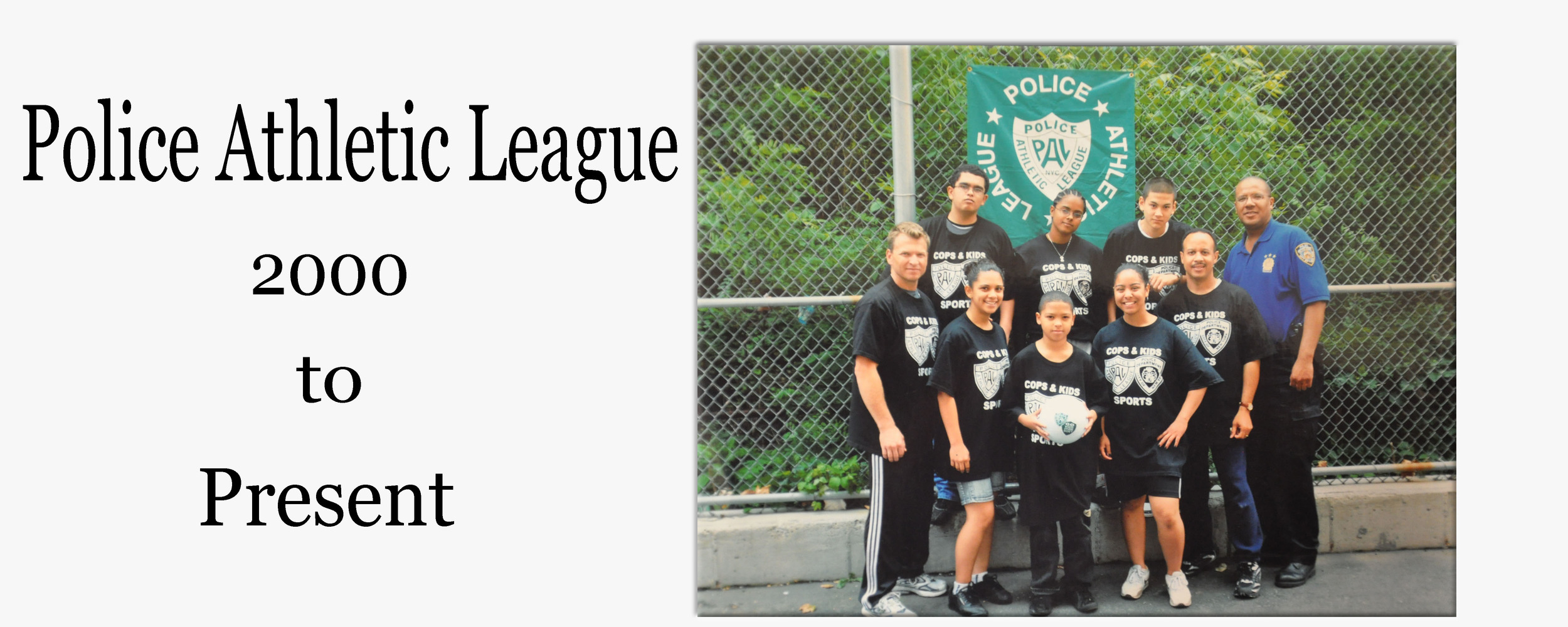
2000-PRESENT
Double-click to edit...
Crime Prevention Bureau
In 1929, Police Commissioner Grover A. Whalen appointed a committee on crime prevention to address growing concerns about juvenile delinquency. The Police Department began to focus on youth and took a leadership role in providing recreation. In 1931, Mayor James J Walker signed a bill to make the Crime Prevention Bureau, later known as the Juvenile Justice Aid Bureau, a permanent part of the Police Department.
The 1932 Annual report of the Police Department stated, "During a Depression, it is the children who stand in the greatest danger of permanent injury." In response, the Crime Prevention Bureau formed the Junior Police Athletic League.
Police Athletic League
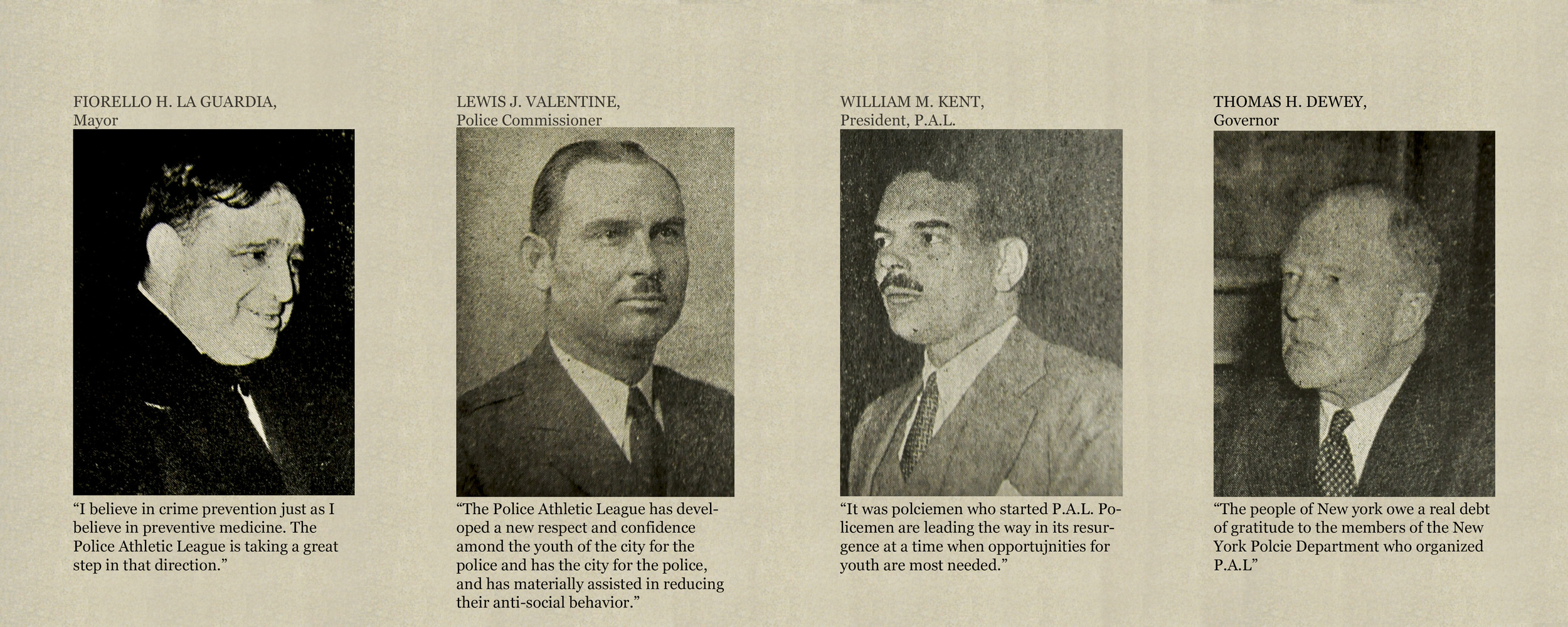
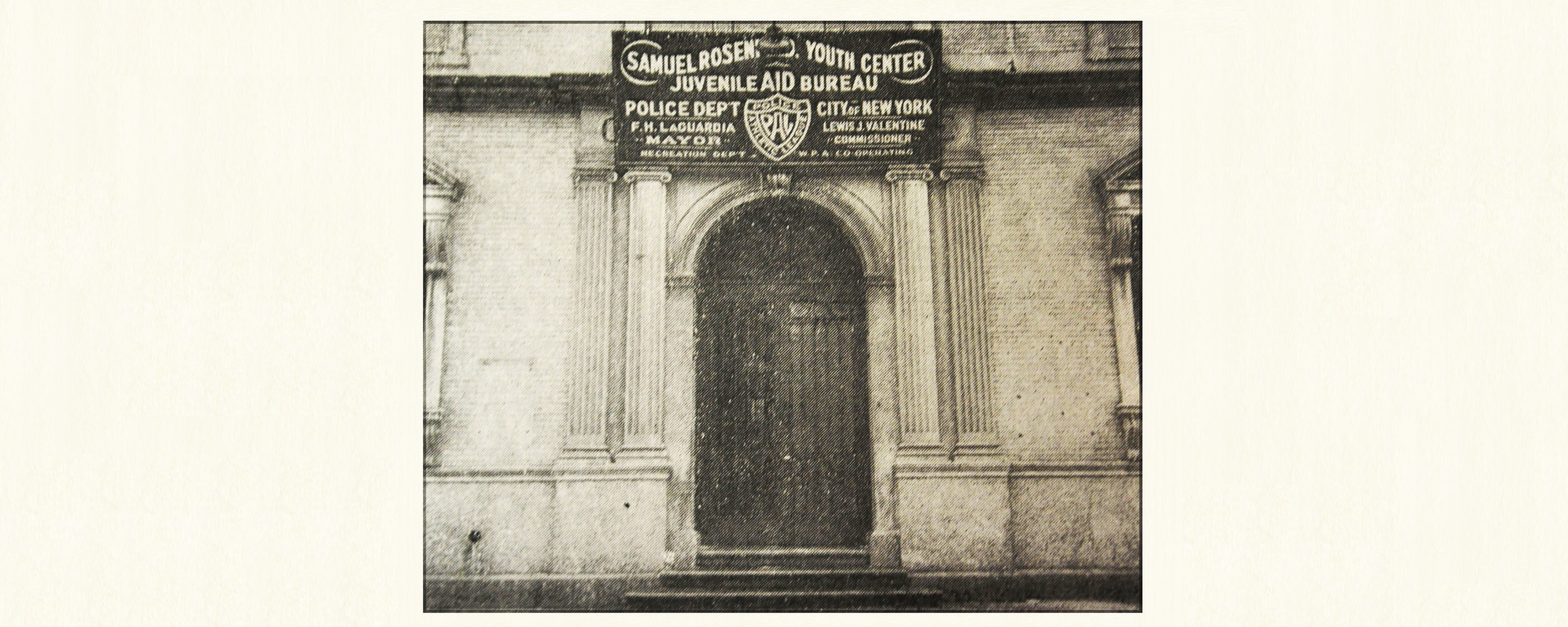
The Police Athletic League was reorganized in 1936. Police Commissioner Lewis J. Valentine obtained a list of 5,000 truants to enroll in PAL. President Franklin D Roosevelt sent a letter to Deputy Commissioner Byrnes MacDonald stating, "I hope PAL Week will serve to focus attention on the constructive character building program of the Crime Prevention Bureau."
Support From the WPA
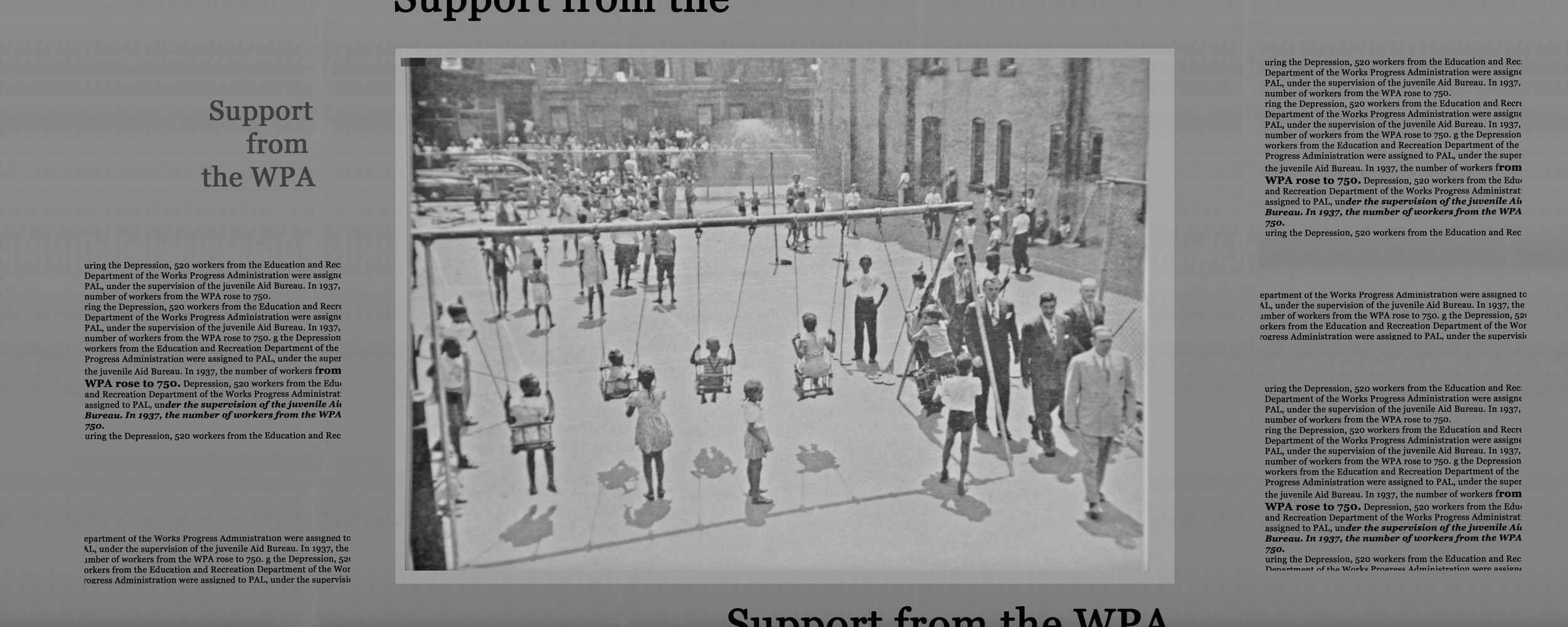
During the Depression, 520 workers from the Education and Recreation Department of the Works Progress Administration were assigned to PAL, under the supervision of the juvenile Aid Bureau. In 1937, the number of workers from the WPA rose to 750.
Expansion in the 1930s
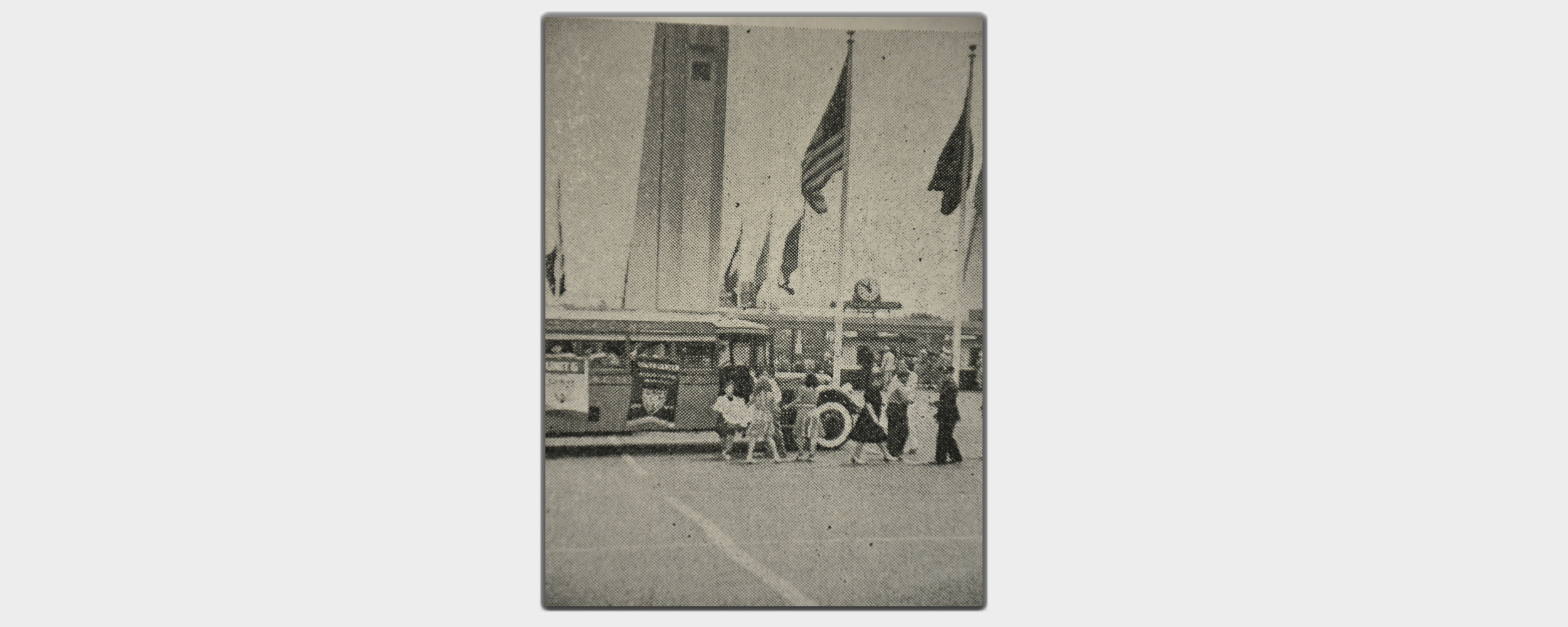
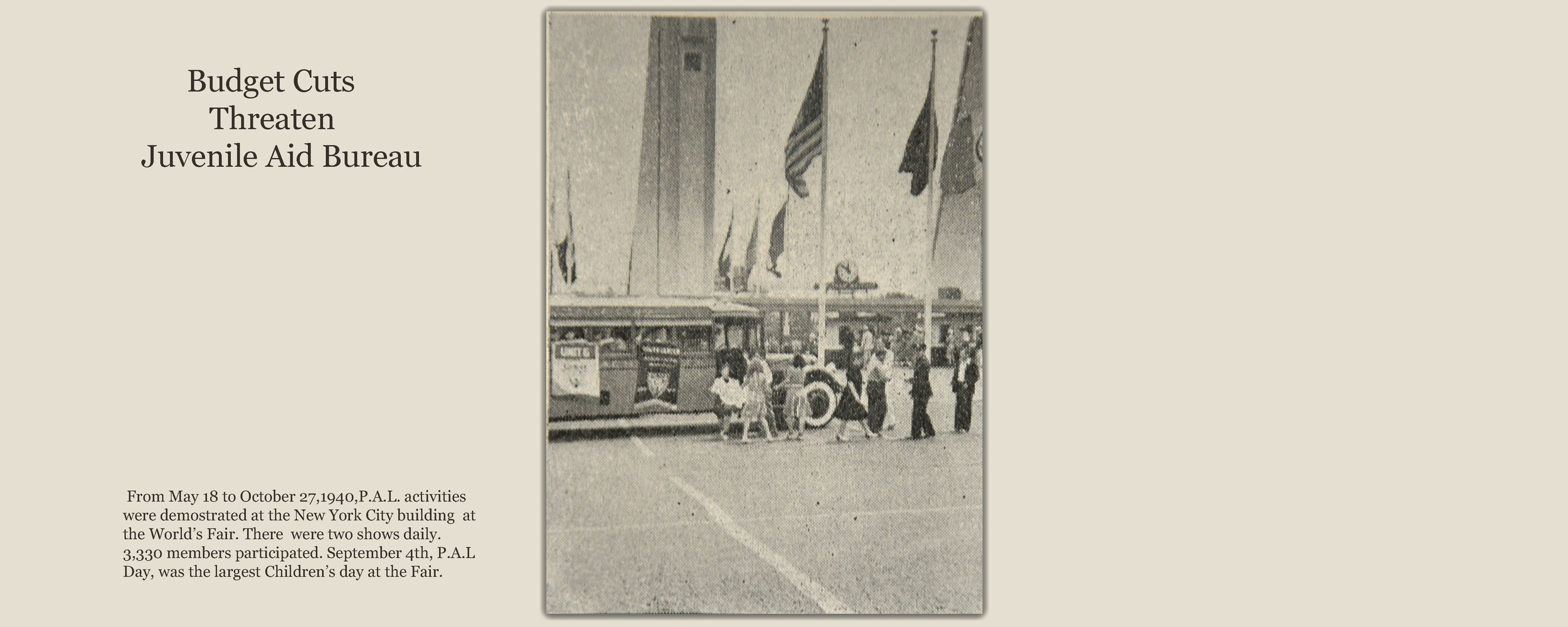
The late 1930s was a time of rapid expansion. PAL had over 70,000 members in 1937 and operated 69 indoor centers, many of which were dedicated to the memories of police officers who died in the line of duty. September 6, 1939 was PAL Day at the Words Fair in New York City, and a Playstreet was set up in the heart of the Fair.
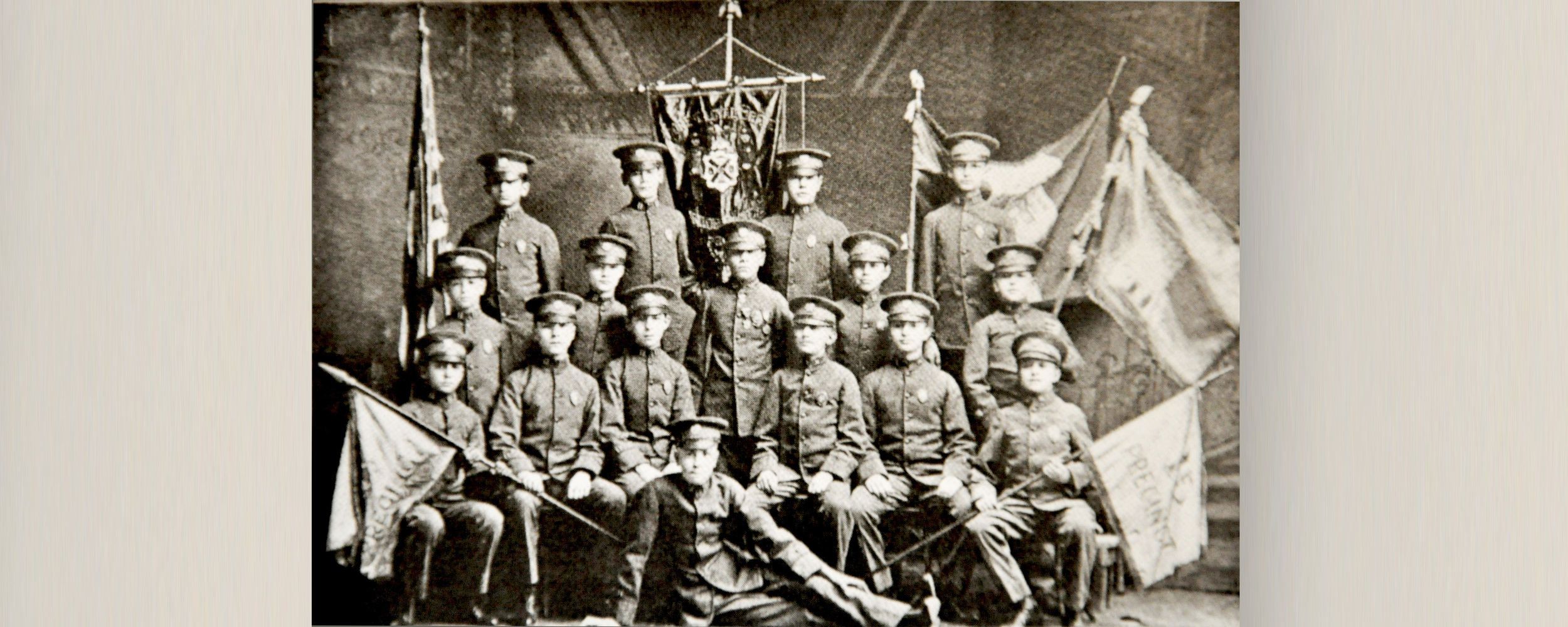
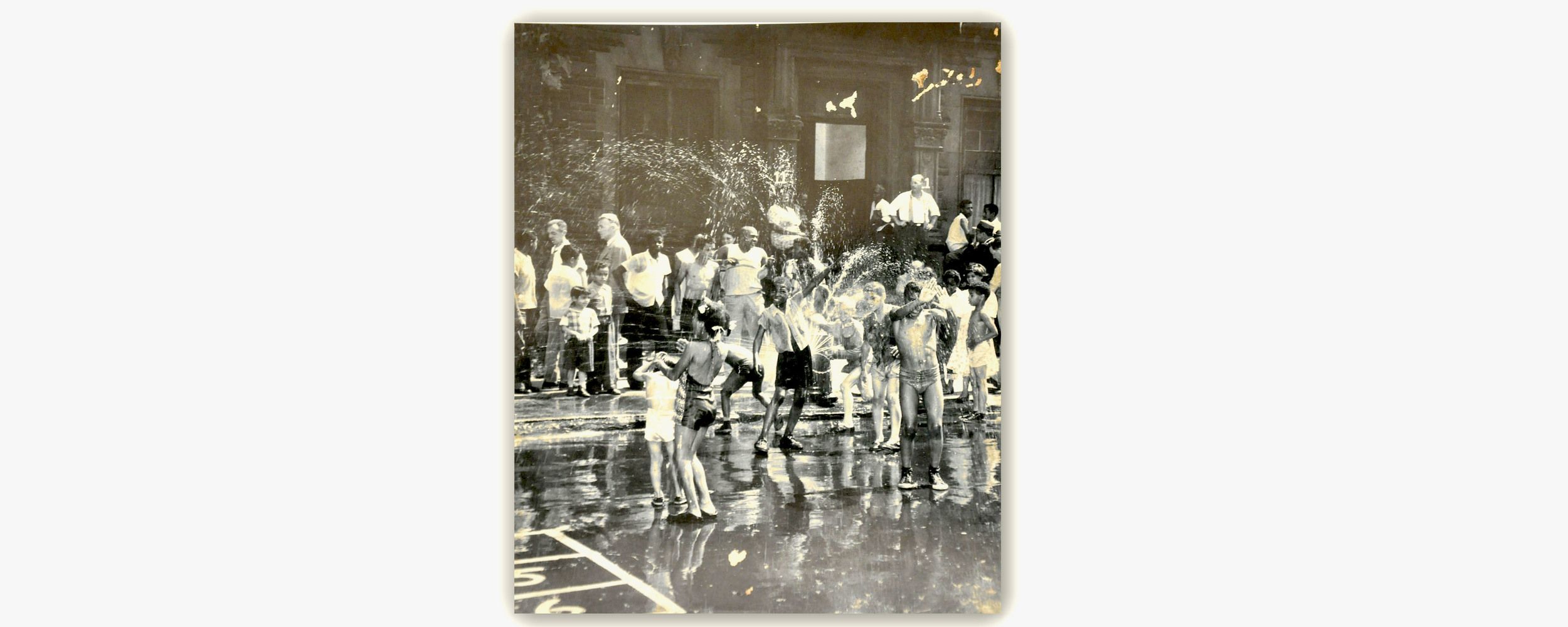
In 1914, Police Commissioner Arthur Woods began a social movement that would eventually be known as the Police Athletic League. He was concerned for the poor children who lived in congested tenements and organized a city-wide search for vacant lots to be converted into playgrounds. He also set aside city blocks where traffic was prohibited. A goal of the program was to reduce tensions between police officers and youth. When commissioner Woods inspected play streets, mothers rushed to thank him and children cheered his efforts.